You’re halfway through an interior house painting project, the roller is loaded, and the paint looks great in the can. So you skip the primer. Why not? It saves time, saves money, and the paint will cover anyway — right?
Wrong. Skipping primer is one of the most common mistakes homeowners make, and it almost always costs more to fix than the primer would have cost in the first place. The paint peels. The color looks off. The finish wears out in months instead of years.
This post breaks down exactly what happens if you don’t use primer — and when skipping it might actually be okay.
Key Takeaways:
- Skipping primer often leads to peeling, uneven color, and poor adhesion — especially on new drywall, bare wood, or stained surfaces.
- Paint without primer can fail in as little as one to two years on problem surfaces.
- Using primer first can reduce the number of paint coats you need, saving money overall.
- Self-priming paints work in some situations but are not a replacement for a dedicated primer coat on every surface.
- There are specific scenarios where primer is non-negotiable — knowing them protects your investment.
The Real Problem with Skipping Primer
Paint needs something to grab onto. On a properly primed surface, the paint bonds tightly and dries into a hard, uniform film. On bare or unprepared surfaces, the paint absorbs unevenly, dries with a patchy look, and doesn’t bond the way it should.
Here’s exactly what happens if you don’t use primer:
- Peeling and flaking. When paint doesn’t adhere properly, it starts to peel — sometimes within months. This is especially common on trim, doors, and anywhere there’s moisture.
- Uneven sheen. Porous surfaces like new drywall suck paint in at different rates. You end up with flat spots and shiny spots across the same wall. This is called “flashing” and it’s very hard to fix after the fact.
- Color that looks wrong. Painting a new color over a dark or stained surface without primer means the old color bleeds through. You can apply three coats of paint and still see that old green underneath.
- Faster wear. Paint applied without primer wears out faster in high-traffic areas like hallways, kitchens, and kids’ rooms. What should last seven to ten years might look tired in two or three.
When Not Using Primer Really Hurts You
Some surfaces punish you immediately for skipping primer. Others let it slide — at least for a while. Here are the situations where primer isn’t optional:
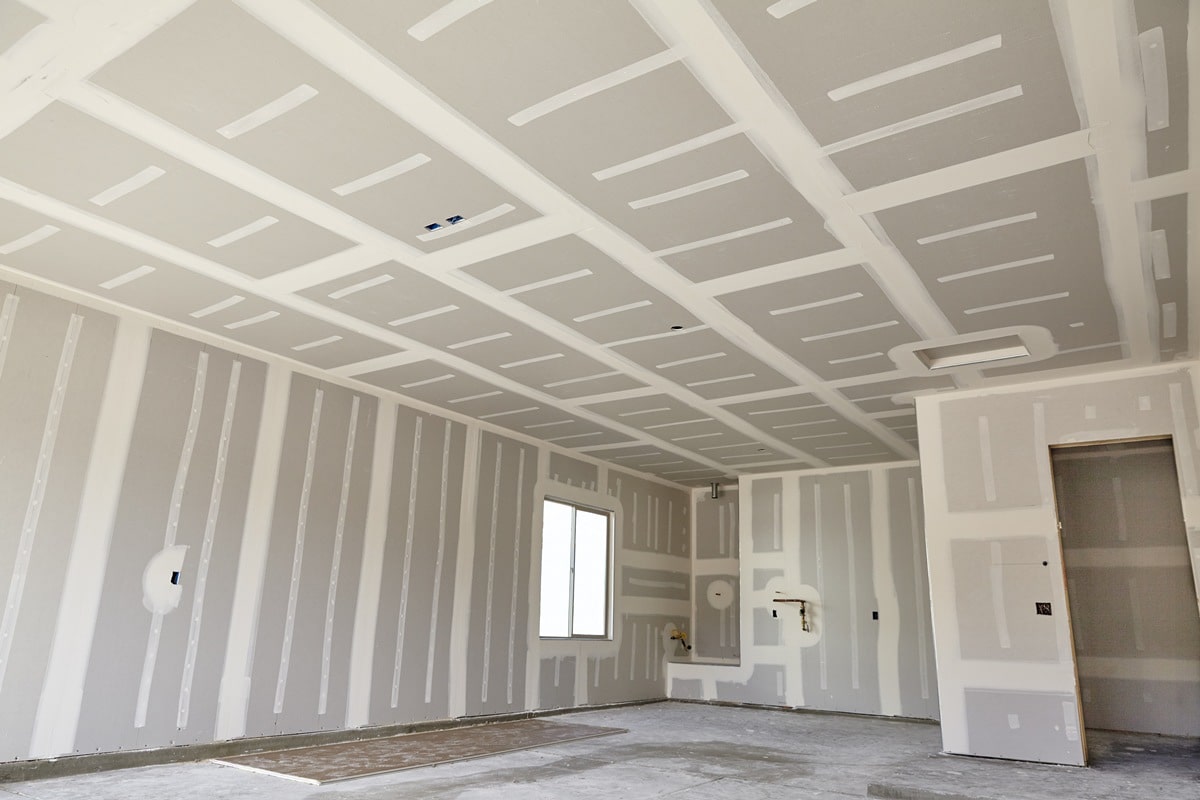
- New drywall. Fresh drywall is extremely porous and thirsty. Paint applied without primer gets absorbed unevenly, and the result is a surface that looks flat and dull no matter how many coats you apply. A drywall primer seals the surface so paint goes on smooth.
- Bare or raw wood. Wood has tannins and natural oils that can bleed through paint and cause staining. Wood also swells and shrinks with humidity. Primer seals the wood grain and gives the paint something stable to bond to.
- Stained or damaged walls. Water stains, smoke damage, crayon marks, and grease all bleed through regular paint. A stain-blocking primer stops the bleed at the source. Without it, you could paint five coats and still see the stain.
- Drastic color changes. Going from a deep navy to a soft white? A tinted primer brings the wall color closer to your finish coat, which means you’ll need fewer coats of the more expensive paint to get full coverage.
- Previously glossy surfaces. Gloss paint is slick. New paint doesn’t stick well to it. A bonding primer creates a surface the new coat can actually grab onto.
What Happens If You Don’t Use Primer on New Drywall?
New drywall is one of the worst surfaces to skip primer on. The drywall paper and joint compound absorb paint at completely different rates. The result is a finished wall where you can see every seam and every patch — even after two or three coats of paint.
This is called “photographing” — the underlying texture photographs through the finish. Once it happens, you either live with it or sand everything down and start over. Neither option is fun.
A drywall primer, sometimes called a PVA primer, costs a fraction of the paint you’ll waste trying to cover the problem. It seals the surface, evens out absorption, and makes the topcoat look like it was applied by a professional.
Do Self-Priming Paints Actually Work?
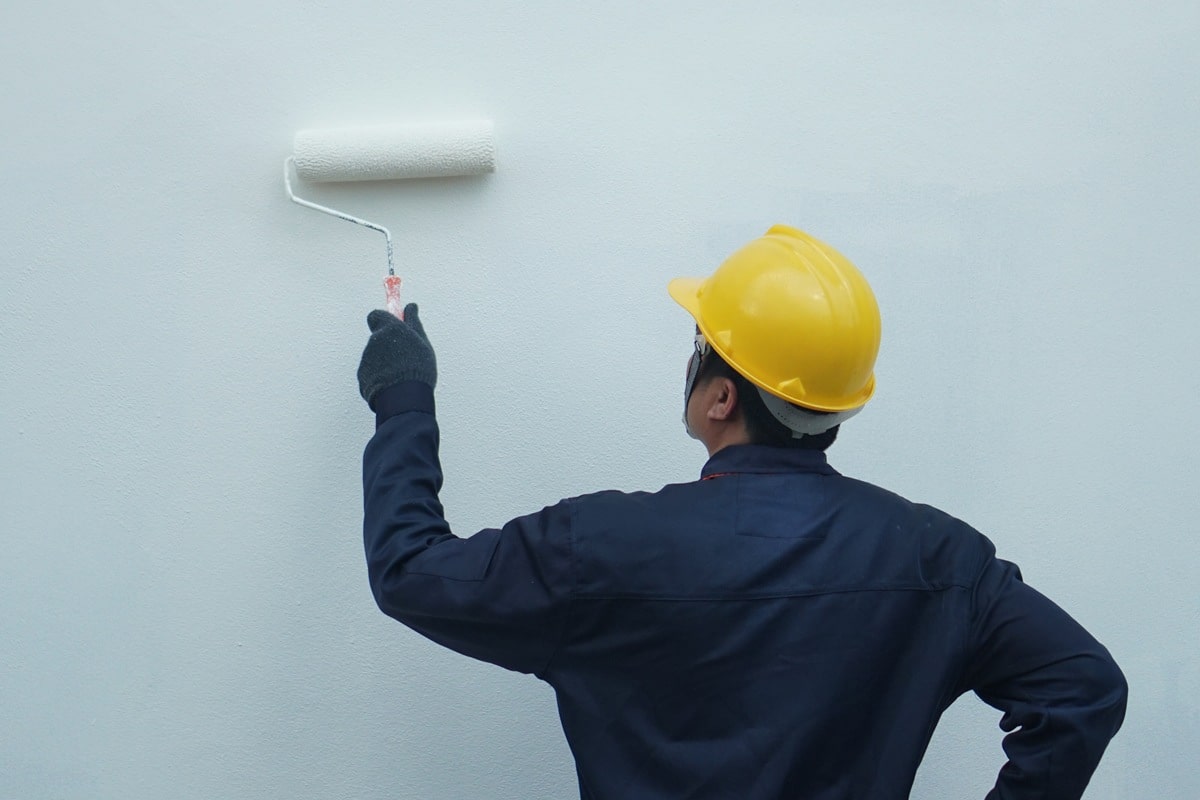
Paint-and-primer-in-one products have been popular for years. The marketing is appealing — one product, fewer steps, done faster. The reality is more complicated.
Self-priming paints work reasonably well on surfaces that are already in good shape — previously painted walls in good condition, no stains, no dramatic color changes. In those cases, they can save you a step.
But on new drywall, bare wood, stained surfaces, or glossy finishes, self-priming paints don’t perform the way a dedicated primer does. The chemistry is different. A true primer is formulated specifically to penetrate and seal. A paint-and-primer product is primarily paint — it just has a bit more hiding power than standard paint.
If you’re working with any of the problem surfaces listed above, use a real primer first. Then apply your finish coat.
When Can You Skip Primer?
To be fair, there are situations where skipping primer is a reasonable call.
If you’re painting a similar color over a previously painted surface that’s clean, sound, and in good condition — no stains, no peeling, no glossy sheen — a self-priming paint or even straight paint may be fine.
Touch-up work on small areas where the existing paint is still in good shape also doesn’t always require primer.
The honest answer: if you’re not sure, prime it. The cost of primer is almost always less than the cost of fixing a bad paint job.
The Real Cost of Skipping Primer
A gallon of quality primer typically costs between $20 and $40. It covers roughly 300 to 400 square feet. By comparison, a gallon of premium interior paint runs $50 to $80 or more.
When you skip primer on a surface that needs it, you often end up using an extra coat — or two — of paint trying to cover the problem. Those extra coats cost more than the primer would have. And if the paint fails and you have to redo the job, you’re paying for labor, materials, and time all over again.
Primer is not just a prep step. It’s insurance for every coat of paint that goes on top of it.
What Happens If You Don’t Use Primer and the Paint Fails?
If paint fails because primer was skipped, your options aren’t great. You can try repainting over the damaged area, but if adhesion was the problem, the new coat will likely fail too.
The right fix is to scrape off the failing paint, clean and sand the surface, apply primer, and then repaint. That’s more work than just priming correctly the first time.
This is why professional painters — the ones who stand behind their work — don’t skip primer on surfaces that need it. They know what happens if the job fails, and they’d rather do it right the first time.
Ready to Get It Done Right the First Time?
Most paint problems we fix — peeling, uneven color, early wear — trace back to skipped prep steps. Not bad paint. Not bad rollers. Skipped primer.
At Islanders' Choice Painting Co, we don’t cut corners because your home deserves better than a paint job you’ll be fixing again in two years. We assess each surface, choose the right primer for the job, and apply it before a single drop of finish coat touches your walls.
If you want a paint job that holds up — one that still looks good years from now — call 778-910-5116. We’ll walk through your project, give you an honest assessment, and tell you exactly what it will take to do it right.
No pressure. Just straight talk from people who take their work seriously.