The debate over one coat vs two coats has a popular answer: always do two. But the companies that make the paint, and stake their name on how it looks, do not actually say that. If you are planning interior house painting in Oak Bay and quietly asking yourself, do I need two coats of paint, the real answer is far more useful than a blanket rule. It comes down to your colour, your walls, and the paint in the can. And you can check all three before anyone hands you a price.
Here is the short version. Sometimes one coat is plenty. Sometimes two coats is the only way to get an even, lasting finish. The trick is knowing which job is which, so you pay for the work your walls need and nothing extra. Below is how a careful painter decides, with the manufacturer facts to back it up.
Key Takeaways:
Where the “Always Two Coats” Rule Comes From
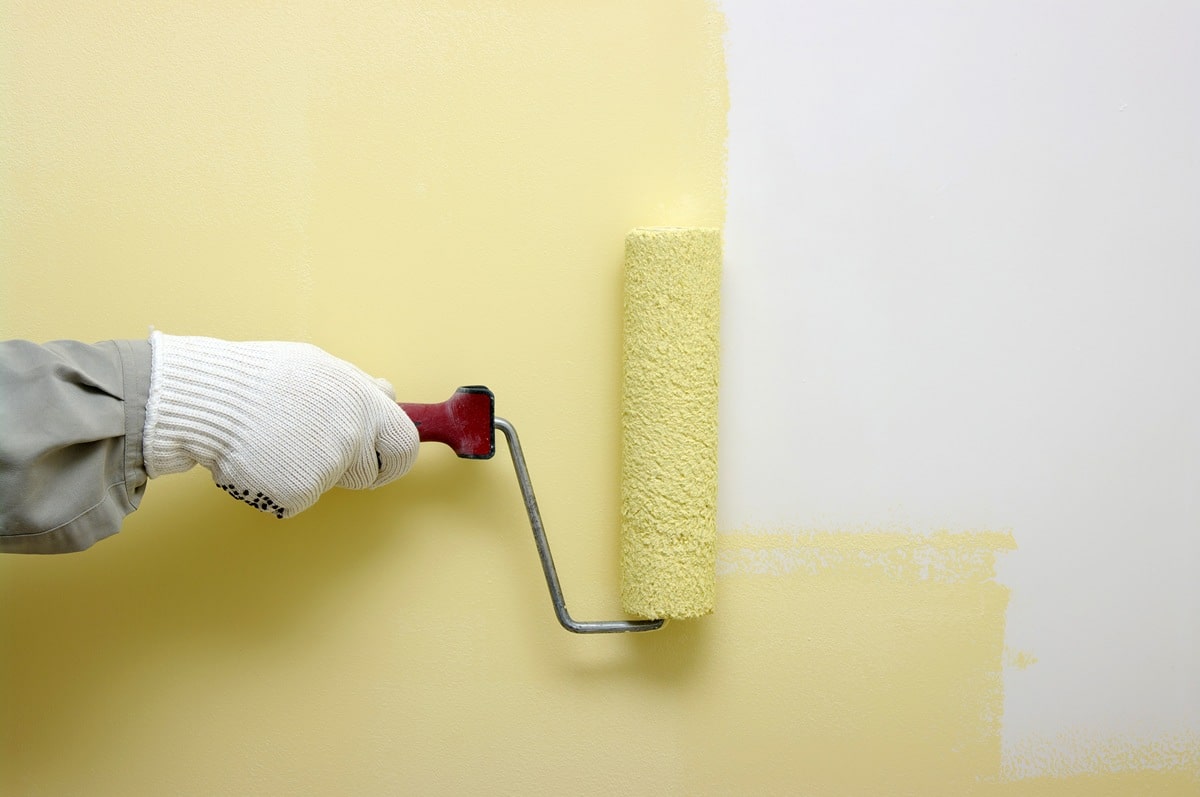
Two coats became the standard answer for a reason. A second coat evens out colour, hides patches, and helps the finish last. For a lot of jobs, that advice holds up.
But “always” is where it goes sideways. Some painters quote two coats on every wall because it is the safe call for them, not because every wall needs it. That is the part that makes some homeowners pause and wonder if they are paying for a coat they will never see.
The paint makers are more honest about it. On its paint and primer in one product page, Benjamin Moore notes that one-coat coverage is sometimes achievable, and that walls you have painted before can be finished with one or two coats. They suggest two coats to get full colour and durability, but they do not pretend every surface is the same. That nuance is the whole answer.
Do I Need Two Coats of Paint? Start With the Colour Change
The first question is not about the paint. It is about how far you are moving the colour.
If you are going from a soft white to a slightly warmer white, the change is small. One good coat often covers it. If you are painting a deep navy feature wall over old beige, that is a big jump, and one coat will look patchy and thin. Two coats, or a primer coat plus paint, does the job.
A simple way to think about it: the bigger the gap between the old colour and the new one, the more coats you need. Dark over light and light over dark are the classic two-coat situations. Same shade over same shade is where one coat earns its place.
Your Walls Matter More Than You Would Think
Oak Bay has a lot of older, character homes. Many have plaster walls, past repairs, or spots where the old finish has worn thin. These surfaces drink up that first coat, so the colour can look uneven until a second pass goes on.
New or bare drywall behaves the same way. The raw surface pulls in paint, which is why most paint makers call for two coats on bare walls, or a primer first. Sherwin-Williams spells this out in its painting FAQ, where the company pegs a gallon at roughly 400 square feet of coverage in theory, then warns that porous and textured surfaces eat into that number fast.
So before you settle the one coat vs two coats question, look at your walls. Smooth, sound, and recently painted leans toward one coat. Porous, patched, or bare leans toward two.
The Paint in the Can Changes the Math
Not all paint covers the same way. A thin, builder-grade paint may need two or three coats to look right. A higher-grade paint with a paint-and-primer formula lays down thicker and hides better, so it can reach full colour in fewer passes.
This is where spending a little more per gallon can cost you less overall. Better paint plus fewer coats can mean less labour and a cleaner result. A painter who knows the product lines will match the paint to your colour and your walls, then tell you how many coats that combination actually calls for.
When One Coat Is Genuinely Enough
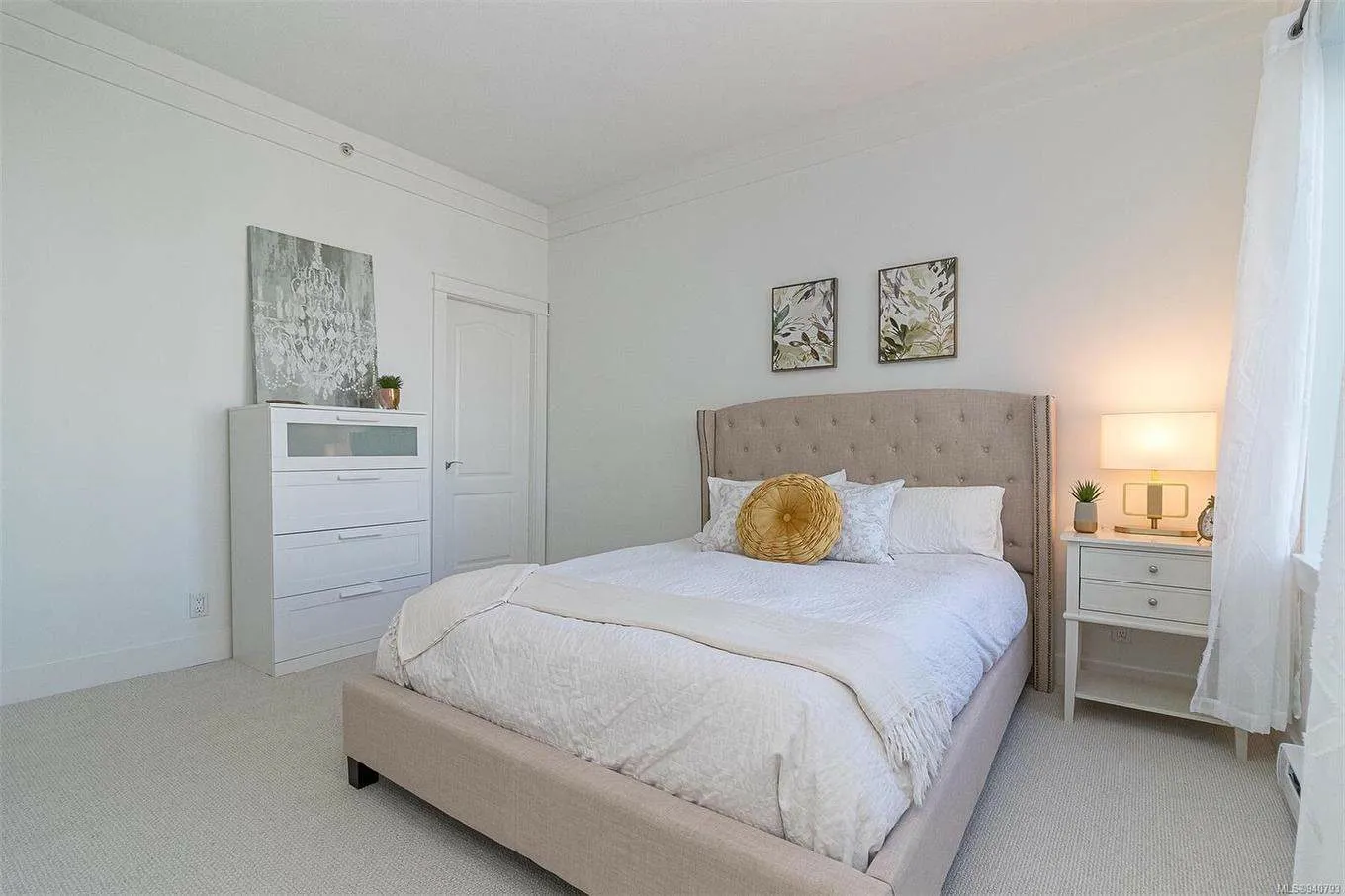
Here are the cases where a single coat holds up:
In these spots, a second coat adds cost without adding much you can see. An honest painter will say so, even though it means a smaller invoice.
When Two Coats Earns Its Keep
Two coats is the right call when:
In these cases, the second coat is not padding. It is the difference between a wall that looks finished and one that looks almost finished.
How a Straight-Talking Oak Bay Painter Handles It
You are the one living with the result, so you should be the one in control of the decision. A dependable local painter steps in to make that decision easy, not to make it for you.
The plan is short:
That last step is the real difference. When the coat count and the reason are on paper, there is no guesswork and no surprise on the final bill. You can see exactly what you are paying for, and why.
Skip that step and the risks are familiar ones: blotchy walls, streaks that show up in afternoon light, or paying for a coat you did not need. None of that has to happen. The fix is a painter who explains the call before the work starts.
Ready for a Straight Answer on Your Walls?
Stop guessing at coat counts. Have Islanders' Choice Painting Co walk your rooms, look at your colour change and the state of your walls, and give you a written quote that states the number of coats and the reason for each one. No padded passes, no vague line items.
If your Oak Bay home is due for fresh interior paint, call Islanders' Choice Painting Co at 778-910-5116 for a clear, itemized estimate. You will know what your walls need, what it costs, and what the finished result will look like before a single brush moves.