When you weigh a paint sprayer vs roller for your home, the faster option is not automatically the one that holds up the longest. That gap is the real story behind spraying vs rolling paint. It is also the part most homeowners never hear stated plainly. A crew can coat a whole exterior in a morning with a sprayer. Or they can work it on by hand over two days with a roller. Both can look sharp on day one. What happens in year three is where the method choice shows up.
Here in Langford, BC, this question comes up on almost every estimate. You want a finish that looks clean and lasts. You also want to feel sure your painter picked a method for a real reason, not because it was quickest for the crew. This article breaks down spraying vs rolling paint in plain terms. It shows where each approach earns its place. And it hands you the questions that separate a thoughtful painter from a rushed one. Our exterior and interior painting services start from that exact decision.
Key Takeaways:
What Spraying vs Rolling Paint Really Comes Down To
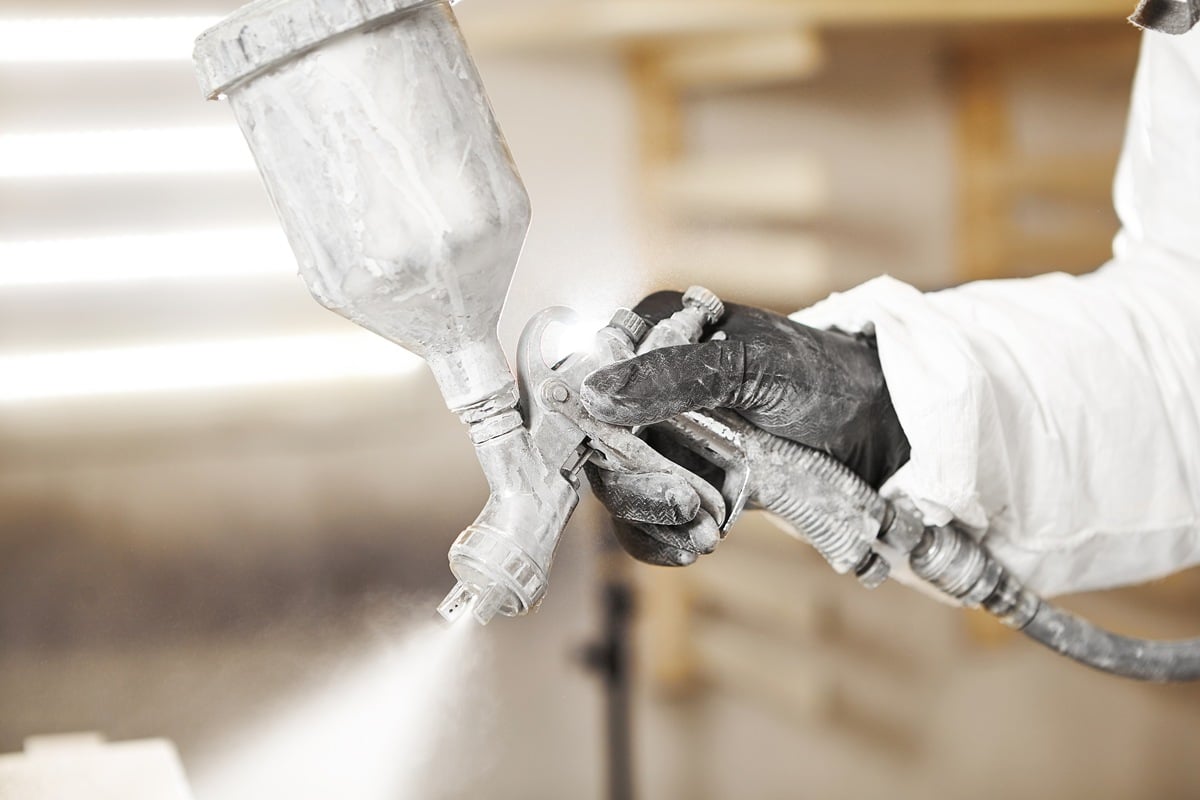
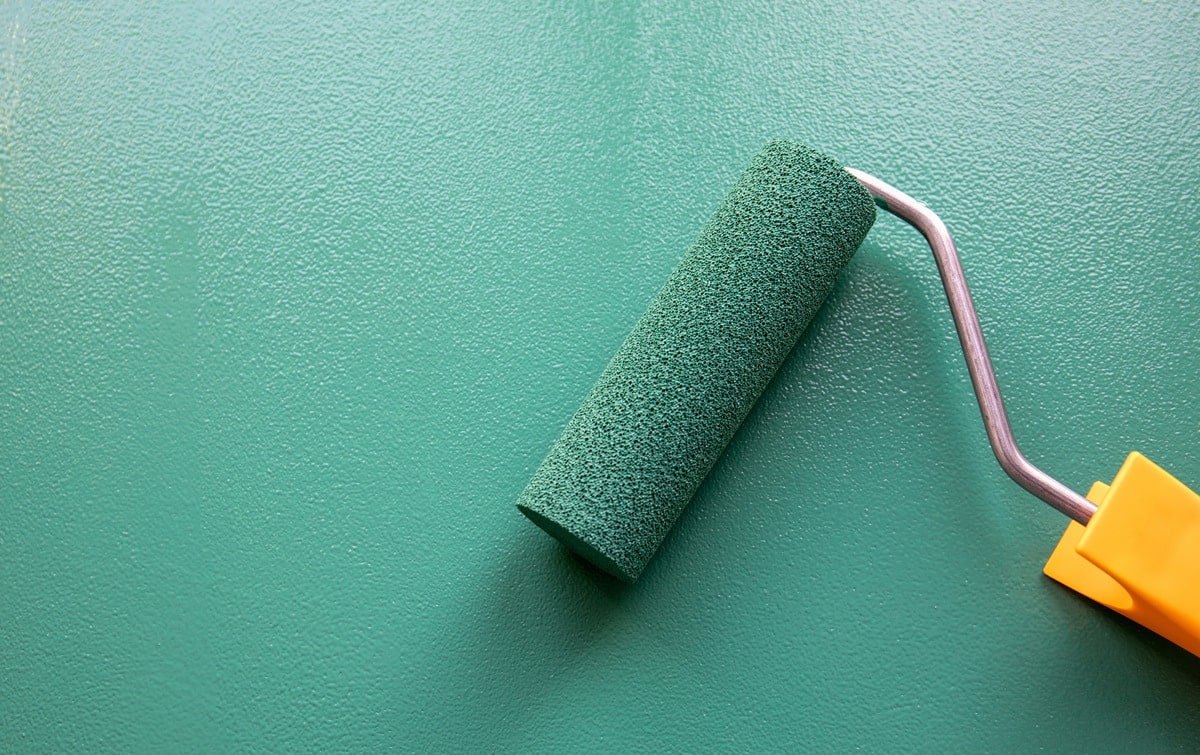
A sprayer turns paint into a fine mist and lays it on in thin, even passes. A roller drags a loaded nap across the surface and presses paint on by hand. People often forget a third option in the paint sprayer vs roller debate. The humble brush still does the cleanest work on windows, narrow trim, and tight corners.
Each tool puts paint on the wall differently, and that difference is the heart of spraying vs rolling paint. A smooth coat and a well-bonded coat are not always the same thing. Sprayed paint can sit on top of a surface. A rolled or brushed coat gets worked into the grain and pores instead. On a flat, sound surface, that gap barely matters. On a rough or thirsty surface, it matters a lot.
The Method Should Match the Surface, Not the Schedule
The surface in front of the crew should drive the choice. The spraying vs rolling paint decision begins there, not with the calendar. Smooth, large areas like new siding, soffits, or a garage door take well to a sprayer. Rough or textured areas behave very differently. The paint sprayer vs roller call is never one size fits all.
Sherwin-Williams application guidance makes the point clearly. An airless sprayer usually puts more paint on a surface per pass than a brush. A roller almost always needs at least two coats to reach the same film thickness. The same guidance adds that windows and detailed trim call for a brush, because a brush gives control a sprayer cannot. The tool that looks slowest by the clock is sometimes doing the most careful work. You can read the notes in the Sherwin-Williams exterior application FAQ.
So a painter who grabs one tool for every job, no matter the surface, is telling you something. A straight answer starts with a question about your home, not a pitch for a method.
Where a Sprayer Wins, and Where It Falls Short
A sprayer shines on big, smooth jobs. It moves fast. It leaves no brush or roller marks. It reaches grooves and edges a roller tends to skip. In the paint sprayer vs roller comparison, the sprayer clearly owns long fence lines, lap siding, and trim sprayed in a shop. The result can look factory smooth.
The trade-offs are real, though. Speed on the wall is paid back in prep at the start. A sprayer throws a fine mist that drifts. So the crew has to mask windows, light fixtures, plants, and walkways first. A sprayer also uses more paint than a roller, since some mist never lands where you want it. And a single thin sprayed coat can let go sooner if nothing is worked into the surface behind it. None of this makes spraying wrong. It makes spraying a choice with conditions attached.
Why Skilled Crews Often Spray and Back-Roll Together
Here is the part that settles most of the paint sprayer vs roller argument. Good painters frequently do both. They spray the paint on for speed and even coverage. Then they follow right away with a back-roll.
Sherwin-Williams describes back-rolling as a second pass with a wet but unloaded roller. That pass forces the coating into the dips and pores of the surface. On rough finishes like stucco, the guidance says the crew should back-roll after spraying, so the paint truly grips instead of bridging over the texture. That contact is what turns a good-looking coat into one that stays put. It pairs the speed of a sprayer with the grip of a roller. That is why the strongest answer to spraying vs rolling paint is often “both, in the right order.”
What Spraying vs Rolling Paint Means for Homes in Langford, BC
Coastal Vancouver Island weather shapes this decision. Damp air, cool shoulder seasons, and surfaces that hold moisture all affect how paint bonds. Temperature matters too. Sherwin-Williams notes that several of its modern exterior products work down to 35 degrees Fahrenheit. That wider window helps in a cooler, wetter climate.
Product choice also ties back to air quality and dry time. The Government of Canada limits the compounds that evaporate from paint across dozens of coating categories. Those compounds release during drying and curing. For interior work, that is one more reason to plan method, airflow, and paint selection together. A painter who explains how local conditions steer the choice is showing real local knowledge. You can lean on it through every step of our painting process.
Questions to Ask Before the First Coat Goes On
You do not need to learn a trade to hire well. You need a short list of fair questions. Here is a simple plan:
A painter who answers these clearly is easy to trust. Vague replies, or one method for everything, are your signal to keep looking. The paint sprayer vs roller question is one any good painter welcomes. It is not about second-guessing your crew. It is about confirming they match the work to your house.
Talk to a Local Painter Who Will Explain the Choice
Spraying vs rolling paint is not a contest with one winner. It is a decision made surface by surface. The right painter walks you through it before any can is opened. At Islanders' Choice Painting Co, serving Langford, BC, we match the method to your home and explain the reason in plain words. You will know what you are paying for and why it will last.
Want a straight answer for your project? Call Islanders' Choice Painting Co at 778-910-5116 for a free, no-pressure estimate. We look at your surfaces and recommend a method for each area. Then we put it in writing through our detailed painting estimate. Your home deserves a finish chosen for how it holds up, not just how fast it goes on.